

What you need when you have a lot of homework.

Adriana Nieto
July 30, 2020
Having a lot of homework is very common during student life. When it’s not exams, it’s projects, very long readings, group assignments, or even multiple deadlines that all fall within the same week. This accumulation of tasks can lead to stress, fatigue, and a constant feeling of not making progress, even when you’ve spent hours studying.
However, this should not be a reason to give up—nor the opposite, which is studying without rest. To meet all your academic responsibilities, you need to start developing certain skills, apply effective strategies, and rely on tools that support you throughout the process. So don’t go anywhere—we’ll explain what you need when you have a lot of homework, how to organize your study time better, and we’ll also share some useful websites.

Why Does Homework Pile Up?
In many cases, an excessive workload is due to the amount of assignments or demanding periods such as finals or exams. However, other times it happens because of a lack of organization and planning. And the most common reason: leaving tasks until the last minute, failing to prioritize pending work, or underestimating how long each task will take.
Students often take several subjects at the same time, each with its own requirements, which makes it difficult to keep up. Identifying the root problem—whether it’s poor organization or underestimating time—is the first step toward solving it.
Concentration Techniques
When you feel overwhelmed by homework, concentration becomes essential. If you struggle to focus, here are some concentration techniques you can incorporate into your study routine:
Pomodoro Technique: Do you find it hard to concentrate because you multitask? This technique involves dividing your total study time into short intervals called “pomodoros,” followed by brief breaks.
Mindfulness Meditation: Just as it sounds—meditation is key to improving concentration. Before studying, close your eyes, breathe deeply, and focus on the present moment. This helps prevent your mind from wandering.
Eliminate Distractions: Putting your phone on “Do Not Disturb” mode helps avoid the constant temptation to check it. You can also use apps like Forest or DTD Sounds.
How to Start Organizing Yourself
When you have too many tasks piled up, studying without a plan can waste both time and energy. The key is to find strategies or resources that allow you to move forward consistently and in an organized way.
Start by creating a weekly to-do list to visualize everything you need to submit and distribute your time effectively. Set specific schedules for your study sessions—daily or based on your academic workload. These schedules may vary depending on the season; studying at the beginning of a semester is very different from studying during finals.
Time Management
Another important factor, closely related to organization, is time management. It is one of the most essential skills when the academic workload is high. It’s not about studying more hours, but about using your available time better.
Identify: Start by identifying how much real time you can dedicate to studying each day. Then, assign specific time blocks to each subject or activity.
Priorities: Not all tasks require the same level of effort or have the same deadlines. Organizing your work based on urgency and complexity will help you make better progress.
Breaks: Yes, you need to schedule time to rest. Taking short breaks between study sessions (as explained in the Pomodoro Technique) helps maintain focus and prevents burnout.

Study Techniques
Believe it or not, simply sitting down to study for hours is not enough. Applying the right study techniques when you have a lot of homework allows you to make better use of your time, understand information more effectively, and avoid mental exhaustion. Below are some of the most effective techniques you can use.
Flashcards
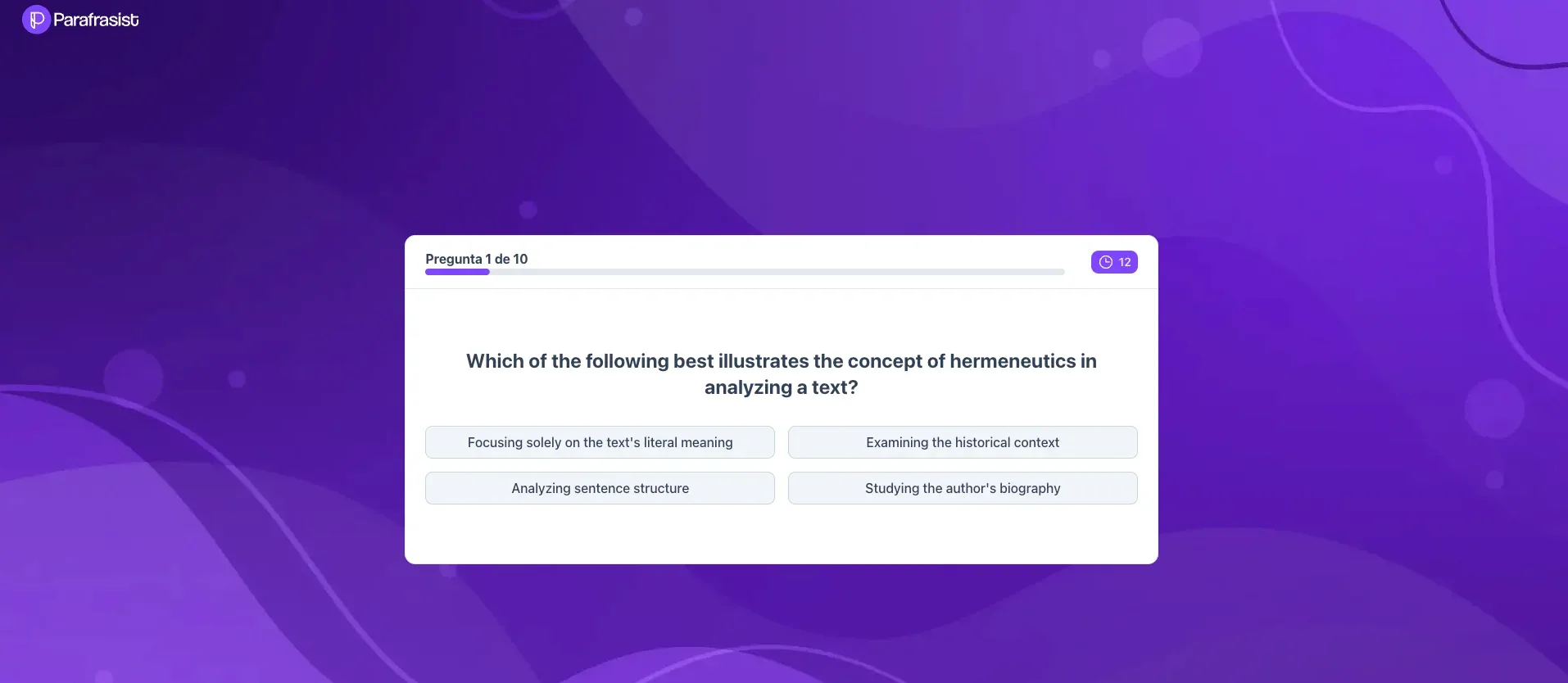
Flashcards are study tools that help you memorize information quickly. One side contains a question and the other the answer. They work for almost any subject and also come in variations such as interactive quizzes. ParafraQuiz is ideal for studying with quizzes, as you can create them from any topic, study material, or YouTube video.
Cornell Method
This method begins while taking notes in class, making studying later much easier. Divide your page into two columns: one for notes and one for key questions. This structure helps when reviewing and completing assignments.
Active Reading
Active reading involves interacting with the text rather than reading passively. This means highlighting key ideas, writing down important concepts, and marking questions or doubts.
Summaries
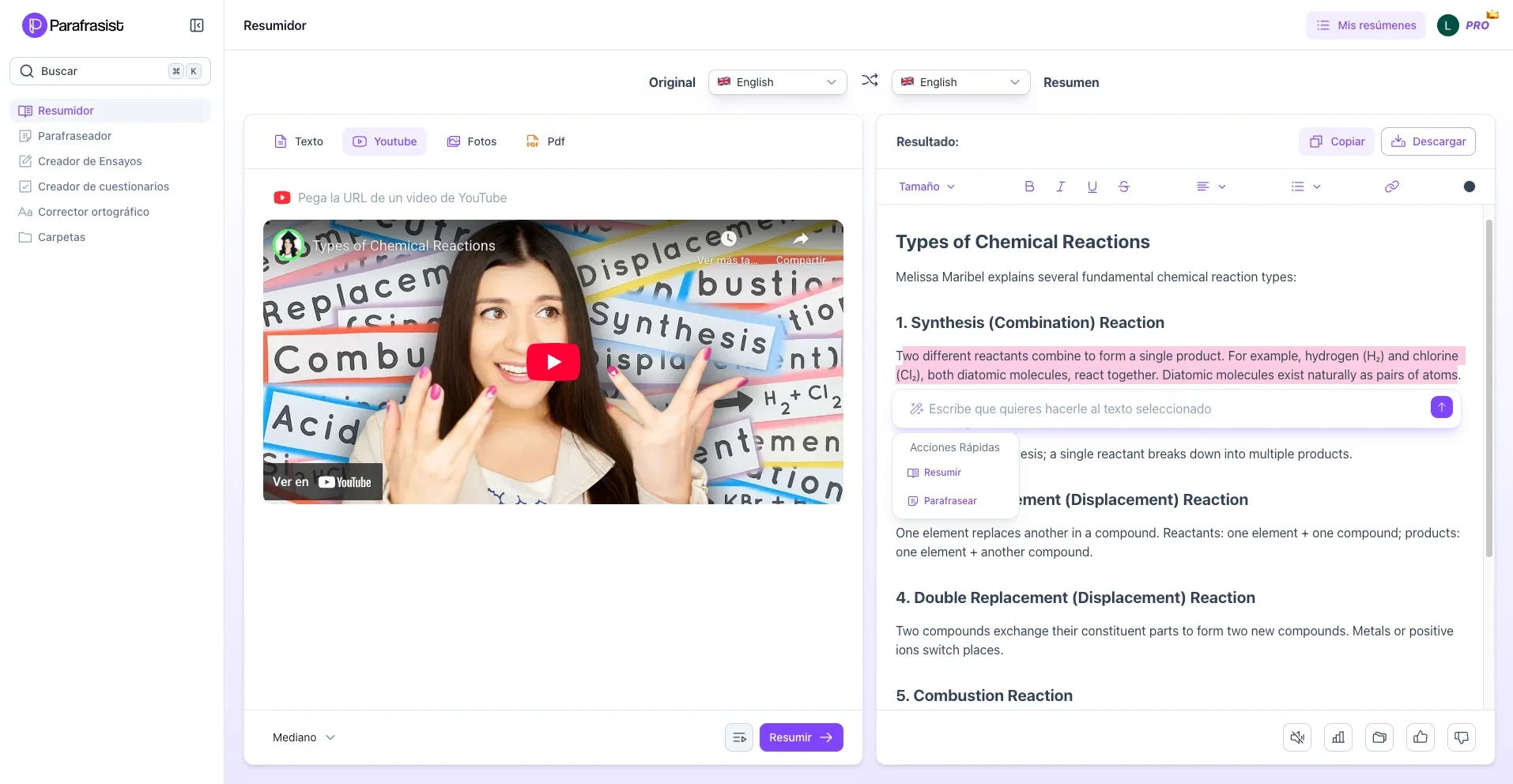
Summarizing information helps you identify main ideas and synthesize long texts. This is especially useful for clearing pending readings. If you want to save even more time, Parafrasist is an online text summarizer that allows you to analyze long texts quickly and efficiently.
Mind Maps
Often, to start any assignment, you need to visualize concepts or information. These types of diagrams, along with concept maps, are ideal for understanding complex topics and connecting ideas.
The Importance of Educational Tools
When the workload becomes excessive, relying only on traditional methods may not be enough. That’s why digital tools have become a key resource.
These tools allow you to:
Save time on repetitive tasks
Improve comprehension of long texts
Increase productivity
Optimize your study process
To help you get started and stop wasting time, here’s a list of tools and what they can do for you:
Websites for Students.
Slides AI: A Google extension that automatically generates Google Slides presentations with AI-created text and images.
Parafrasist: A multi-tool ideal for summarizing long readings in various formats, rewriting texts, creating original essays, or studying with dynamic quizzes by simply entering a topic or pasting your text.
MathGPT: Upload a photo or type a math problem to receive the solution along with a clear explanation.
Cite This For Me: Helps you automatically generate bibliographic citations in multiple formats from books, articles, journals, or websites.
Having a lot of homework is part of student life, but it doesn’t have to become a constant source of stress. Knowing what you need in those moments will help you face your academic workload in a more organized—and above all, efficient—way.